






Debunking Fetish Myths: What Fetish Play Can Look Like for Beginners
When most people hear the word fetish, their mind jumps straight to black latex catsuits, whips, gags, pain, maybe even a little Fifty Shades of Grey.
It's no wonder, then, that fetish can feel intimidating to express or even explore when it's only portrayed in one particular way. Popular culture has long framed it as something extreme, niche, or reserved for people who want to be spanked until they tap out or worse, only for people who have experienced trauma or abuse. But the reality is that it can be far less dramatic, way more accessible, and gentle than we've been led to believe.
For beginners, especially, fetish play doesn't need to involve whips, latex, or pushing past your comfort zone. In fact, for many people, it starts with curiosity, communication, and small, intentional changes to how they experience pleasure.
Let's unpack some of the most common myths and what fetish play can actually look like when you're just starting or curious to explore.
Myth 1: Fetish Play Is Extreme
One of the biggest misconceptions is that fetish play has to be intense, painful, or visually dramatic. This myth alone stops many people from exploring their desires or even from speaking about them with a partner.
In reality, fetish play can be incredibly subtle. It might look like focusing on a specific sensation, such as fabric against skin, incorporating playing with other body parts like the feet or hands, or enjoying a particular dynamic like anticipation or control, without anything physical happening at all.
Myth 2: Fetishes Are “Weird” or Shameful
Fetishes are simply preferences, ways the body and mind respond to certain stimuli. They are shaped by experiences, curiosity, and how we connect pleasure with excitement.
Having a fetish doesn’t mean something is “wrong” with you. It also doesn’t mean it has to define your entire sex life. For many people, fetish play is something they dip into occasionally, not a constant need or want.
If it's consensual, doesn't harm others, and doesn't cause significant personal distress, it's a normal part of your sexual curiosity. It's only a cause for concern if that fetish takes over a person's life and affects their relationships, work or if they are considered problematic or illegal.
Myth 3: You Need Special Equipment
You don’t need a cupboard full of gear or a deep understanding of kink terminology to begin. Many people already explore elements of fetish play without realising it.
If your curiosity does extend into using equipment, it’s worth seeking guidance first. Learning from a trained professional or speaking with knowledgeable staff in specialist adult stores can help you explore safely, confidently, and without unnecessary risk to yourself or others.
For some, beginner fetish play might involve:
- Paying attention to temperature (warm hands, cool sheets)
- Exploring sensory deprivation, such as using an eye mask
- Introducing fabrics like leather or lace
- Brushing or playing with your partner's hair
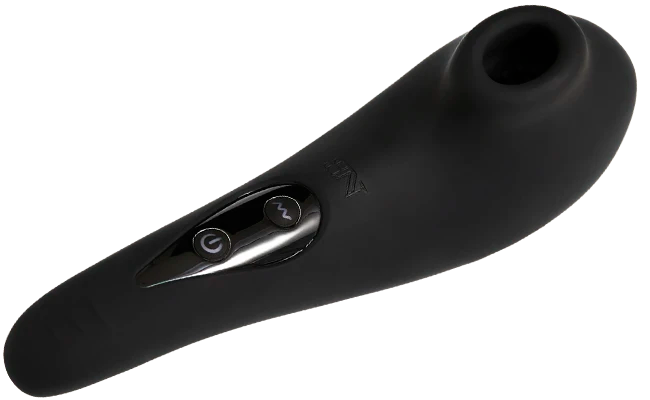
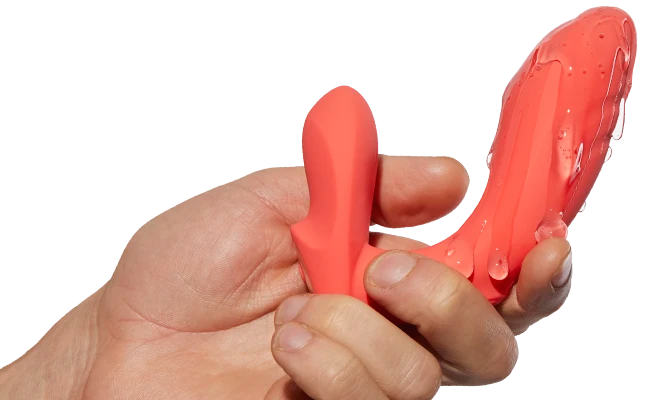
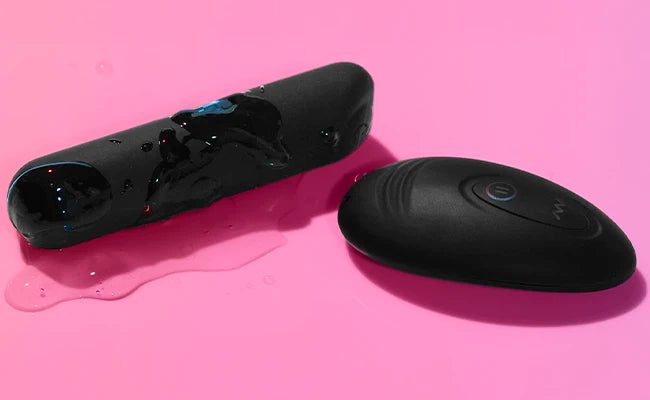
- Using a toy to stimulate parts of the body that are not the genitals
What Fetish Play Can Look Like for Beginners
For many people, beginner fetish play is less about what you do and more about how you do it and how it makes you feel. A good place to start might be...
- Exploring fantasy through conversation or imagination rather than action
- Exploring pleasure through sensations, such as the use of toys and having them touch new parts of the body, e.g., nipples or feet.
- It could also involve textures like body-safe candle wax and massage or latex.
- Light spanking with hands first or a light tap with a toy.
Final Thoughts on Fetish Play
Beginner fetish play starts with curiosity, communication, compassion, and permission to explore what feels good for you, at your own pace, in your own way. It’s okay to start small, not start at all, or to dip in and out when the time feels right.
If you are in a relationship, fetish play doesn’t have to mean introducing something new overnight. It can begin with a conversation, sharing a curiosity, or simply listening to each other without judgment. Going slowly, checking in regularly, and respecting boundaries, both yours and your partner’s, creates the foundation for exploration that feels safe, connected, and genuinely enjoyable.